Every layer of protection matters.
Not One More Child Drowns.
Teaching children from 6 months to 6 years old how to use Infant Swimming Resource to self-rescue.
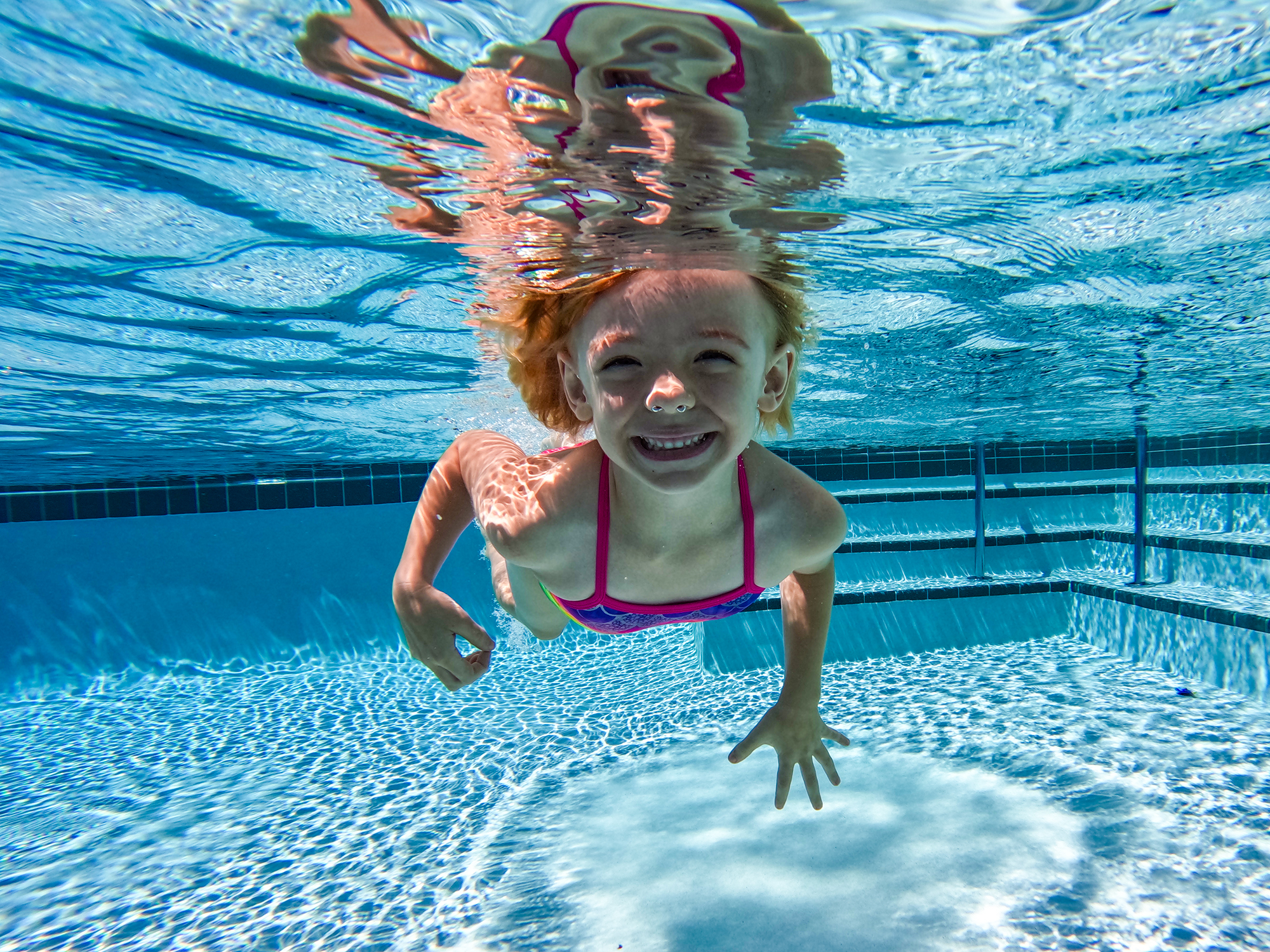
One-on-One Survival Swim Instruction
Every child is unique. Our individualized, private ISR lessons are tailored to your child's unique needs, pace, and personality. We provide focused attention on your child, helping them learn self-rescue skills step-by-step while building confidence as they go!
Refreshers for Returning Swimmers
Children grow and develop rapidly during early childhood, and their swim skills need to adjust as they grow. Refresher lessons are shorter sessions, designed for students who have already completed ISR lessons and need to keep their skills fresh. These classes reinforce their survival skills, adjust for growth and changes in their proportions, and keep your little one confident and capable in the water year after year.
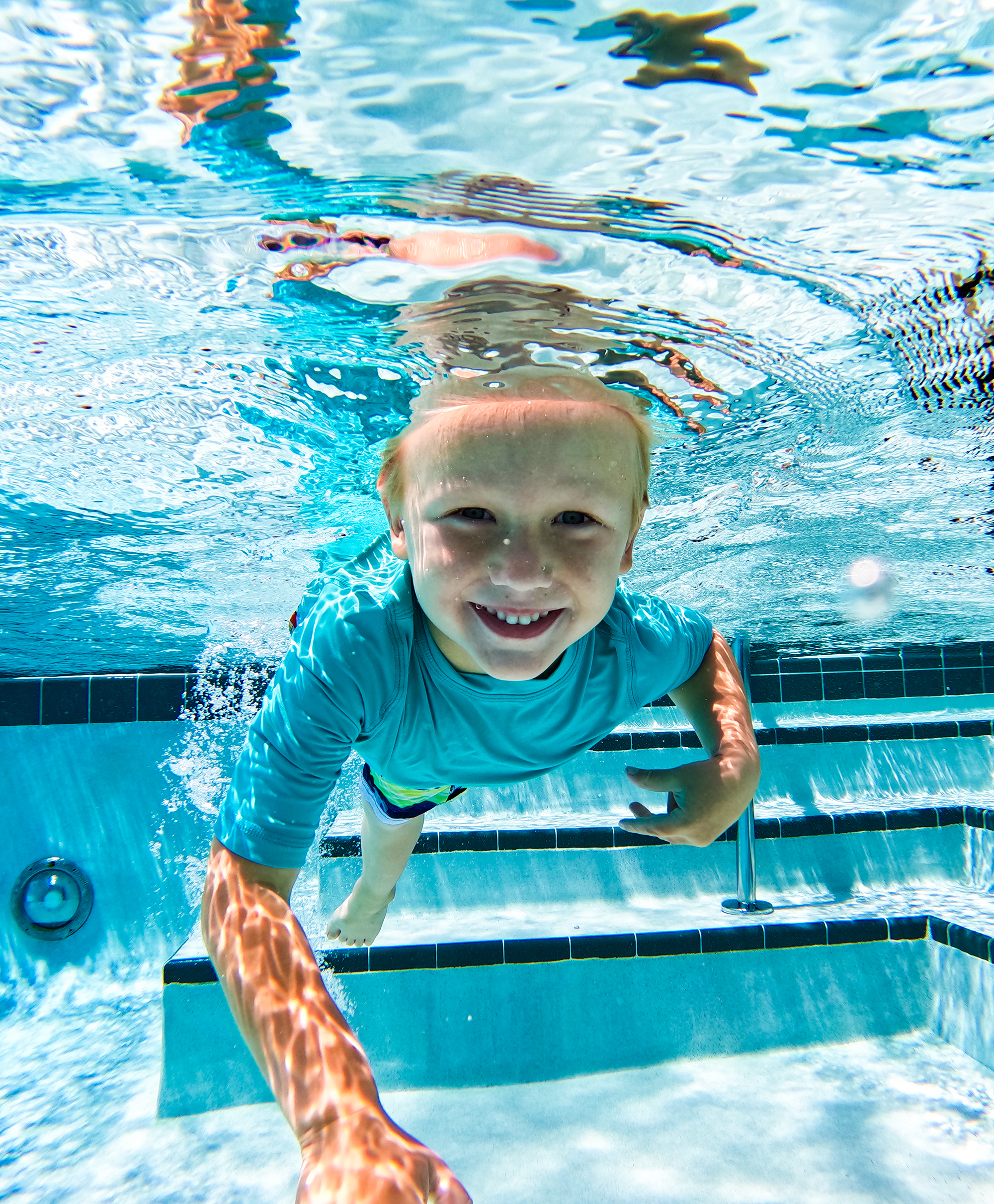
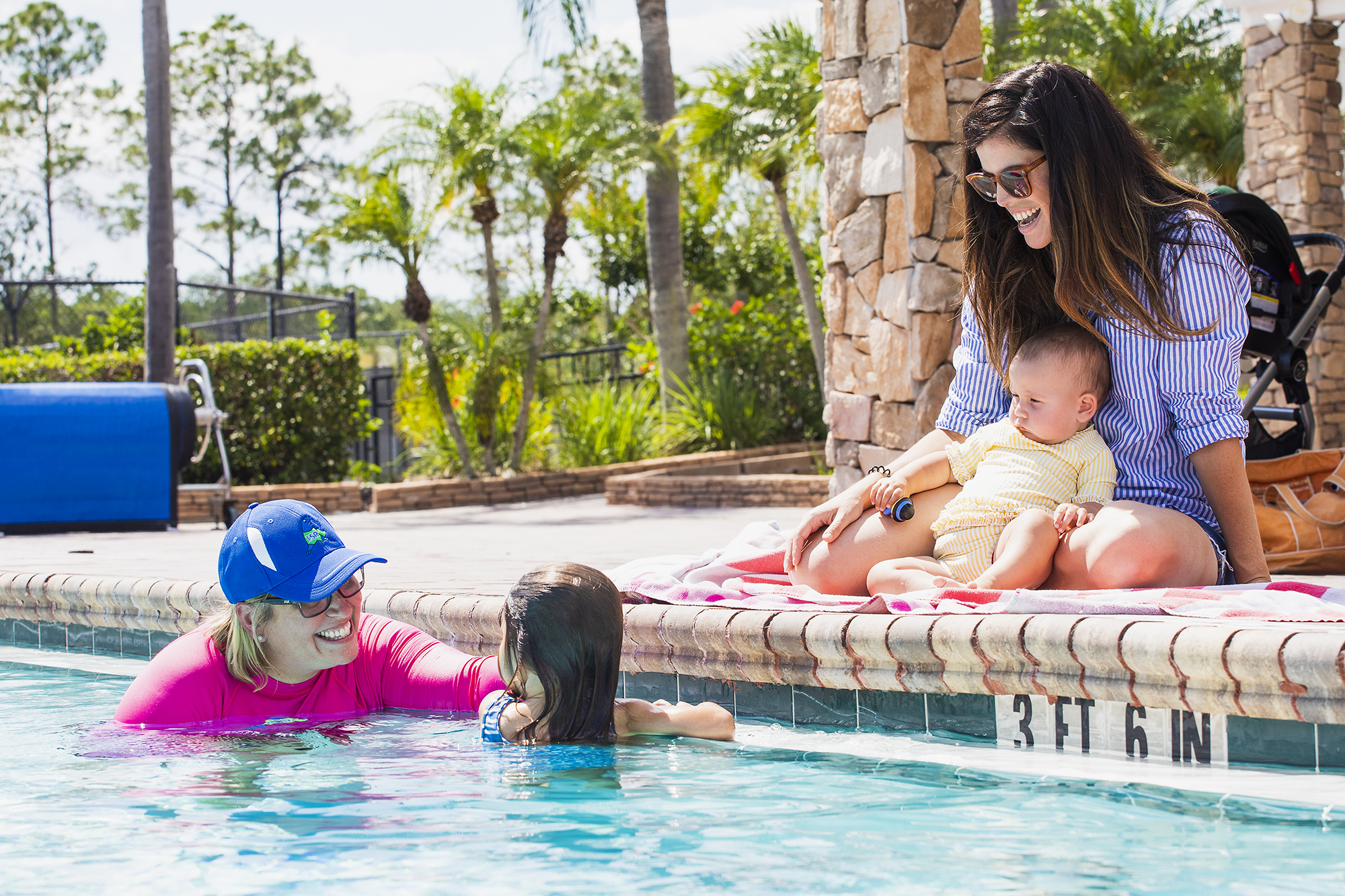
Maintenance Lessons for Practice
Maintenance lessons provide continued practice for children following their initial ISR lessons. Regularly scheduled weekly or even monthly lessons help keep your child's skills fresh while supporting long-term confidence and safety. Contact us to see what maintenance schedule makes sense for your little one!
FAQs
Is there an ideal age to start ISR lessons?
Children as young as six months (who can sit upright independently) are eligible. Starting earlier ensures your child is safer sooner.
Will my child forget skills if they take lessons in Fall or Winter?
ISR Self-Rescue Skills are sensorimotor skills, much like walking or riding a bike—they don’t simply disappear, though they can get rusty without practice. I recommend refresher or maintenance lessons to keep skills sharp, especially as children grow. Learning in the "off-season" can prepare your child for water safety before summer.
Is dry drowning something to be concerned about in lessons?
Short answer: no.
In September 2018, the American College of Emergency Physicians declared that terminology such as “dry drowning,” “wet drowning,” “near drowning,” “secondary drowning,” and “delayed drowning,” should no longer be used.
There are three medically recognized types of drowning: (1) fatal, (2) nonfatal with injuries, and (3) nonfatal without injuries.
Unfortunately, the outdated terms are continuously sensationalized and used by the media.
Drowning does not happen days to a week after being in water. There are no medically accepted conditions known as ‘near-drowning,’ ‘dry drowning’ and ‘secondary drowning.'
As for the concern about inhaling water during swimming: There are 2 tubes– esophagus which goes to the stomach and the trachea which goes to the lungs. If water is swallowed it goes to the stomach & is absorbed or peed out. The epiglottis naturally blocks water from going into the lungs. A child would have to be unconscious or the epiglottis would have to be jarred in some way for it not to function properly. If a child inhales some water while playing in the bath or gets dunked in the pool during water tag, there’s no need to worry.
Do you offer private lessons at someone's home?
If you are interested in ISR lessons at your home pool, please contact me to discuss my availability and rate.
Learn More
Discover more about our programs and how we can help you.